So you attend a consultation with a mobile app development company and one of the first questions you’ll ask is: “How much will this cost?”
It’s a common straightforward question, but the answer is not as simple. The truth is, there’s no one-size-fits-all answer. App development costs can vary widely depending on features, complexity, and many other variables.
TL;DR
— App development costs can vary widely depending on features, complexity, and many other variables.
— Launching a mobile app is just the beginning, and businesses should budget for ongoing costs such as maintenance and updates, backend and hosting, marketing and App Store Optimisation (ASO), and licensing and compliance.
— The choice of development approach (native, cross-platform, or Progressive Web App) can significantly impact the cost, with cross-platform development potentially reducing costs by 30-40% compared to building two native apps.
— The specific features of the app, such as third-party integrations, backend development, and advanced technologies, can also increase the development budget.
— UI/UX design can contribute 15-20% of the total cost, with custom and advanced designs being more expensive.
— Compliance with local regulations and thorough testing are also important factors to consider in the budget.
— After the app is launched, businesses should budget for ongoing maintenance, hosting, marketing, and compliance costs.
TLDR
In this blog we will explore the key factors that determine the final cost of your mobile application development.
1. How does the complexity of my app affect its development cost?
The complexity of your app is perhaps the single biggest cost driver. Simple apps with minimal features are the least expensive. As you add more complex features, the required development time, and thus the cost, increases significantly. Apps generally fall into three categories:
- Basic Apps: typically include simple functionality like user login, basic profiles, and straightforward content display.
- Moderate Complexity Apps: incorporate features like API integrations, user-generated content, push notifications, payment processing, and social media integration. Examples include booking systems, e-commerce apps, or social networking platforms.
- Complex Apps: involve advanced functionality such as real-time features, artificial intelligence, complex databases, custom animations, augmented reality, or integration with multiple third-party systems. Often requiring 12 months or more of development time.
2. Does the choice between iOS, Native or Android affect the cost?
Your choice of platform significantly impacts your cost of app development. You have three main options:
- Native Development means building separate apps for iOS and Android, which provides the best performance and user experience but essentially doubles your development effort and cost.
- Cross-Platform Development using frameworks like Flutter allows you can write code once and deploy to both platforms, potentially reducing costs by 30-40% compared to building two native apps.
- Progressive Web Apps (PWAs) offer a web-based [website] solution that works across all devices but may have limitations in features and performance.
“For Australian businesses targeting the local market, it’s worth noting that iOS holds a significant market share in Australia, though Android remains the global leader. Your target audience should guide this decision.”
3. Which specific features will increase the development budget the most?
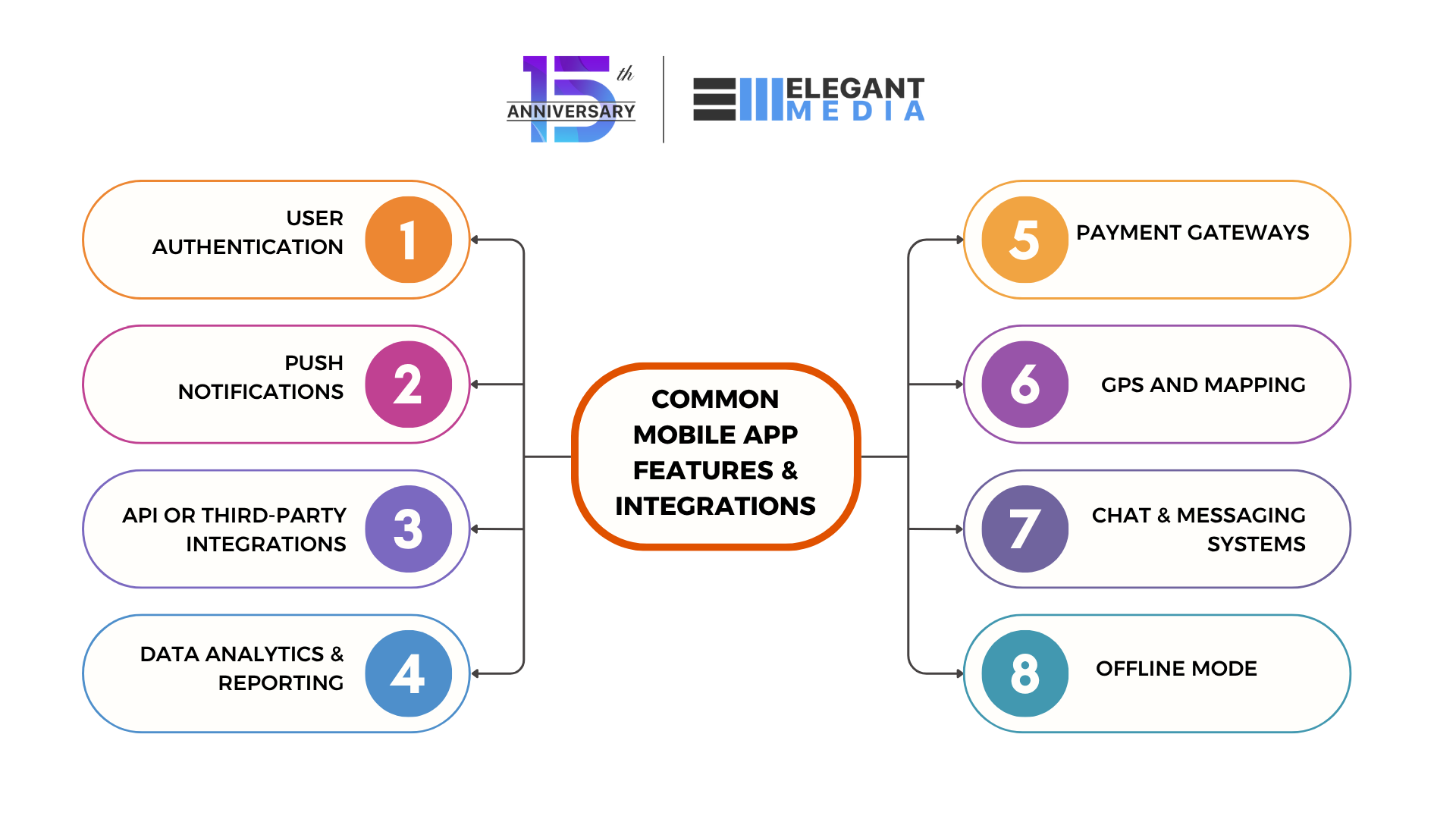
Features that require significant development time, back-end infrastructure, or third-party integrations generally increase the cost:
- Third-Party Integrations: Payment gateways, social media APIs, or map/geolocation services.
- Back-End Development: Building a robust server, database, and APIs to handle user data, logic, and scalability.
- Advanced Technologies: Implementing Artificial Intelligence (AI), Augmented Reality (AR) or real-time data synchronisation.
4. How much does the UI/UX design contribute to the cost of app development?
User interface (UI) and user experience (UX) design are critical to your app’s success and can represent 15-20% of your total cost of app development.
- Basic UI/UX Design using standard templates and components is the most cost-effective option but offers limited customisation.
- Custom Design involves creating unique, branded interfaces tailored to your specific needs, requiring more time from designers and increasing costs accordingly.
- Advanced Design includes custom animations, micro-interactions, complex user flows, and extensive user testing. While more expensive, this investment often pays dividends in post-launch user engagement and satisfaction.

5. What are Compliance and Security Requirements in app development?
Australian businesses must consider compliance with local regulations, which can add to development costs. This includes privacy laws under the Australian Privacy Act, data security standards, accessibility requirements and industry-specific regulations.
6. What is Testing and Quality Assurance for apps?
Thorough testing is essential but often underestimated in budget planning. Quality assurance typically accounts for 15-25% of development time and includes functionality testing, device compatibility testing, performance testing, security testing, and user acceptance testing.
7. Are there any costs after the app is launched that I should budget for?
Many businesses overlook the fact that launching your app is just the beginning. Annual maintenance typically costs 15-20% of the initial development cost and includes maintenance and updates, backend and hosting, licensing and compliance, marketing and app store optimisation.
- Maintenance & Updates: Fixing bugs, updating the app to ensure compatibility with new versions of iOS and Android, and server upkeep.
- Backend & Hosting: Ongoing fees for cloud services to store data and run your app’s server-side logic.
- Marketing & ASO: Promoting your app, running ads, and App Store Optimisation (ASO) to improve visibility.
- Licensing & Compliance: Developer account fees, third-party license fees, and costs associated with security compliance.
How to Optimise Your App Development Budget
Start with an MVP (Minimum Viable Product) that includes only core features, allowing you to launch faster, gather user feedback, and add features based on actual user needs rather than assumptions.
Prioritise Features by identifying must-have features versus nice-to-have additions, considering a phased development approach, and focusing on what delivers the most value to your users.
Choose the Right Technology Stack by balancing performance needs with development speed and costs, considering long-term scalability, and evaluating cross-platform options if appropriate for your use case.
Work with an Experienced Partner who can provide accurate estimates, foresee potential challenges, and suggest cost-effective solutions without compromising quality.
The Bottom Line
While costs can seem significant, a well-built app can deliver substantial returns through improved customer engagement, streamlined operations, and new revenue streams.
By partnering with an experienced development team that understands both the technical landscape and the Australian market, you can navigate these considerations confidently and build an app that delivers real value to your business and your customers whilst optimising your cost of app development.
Ready to discuss your app project? Contact us today for a no-obligation consultation and detailed quote tailored to your specific needs.
Empowering Young Minds for the Future
Elegant Media supports The Smith Family through monthly donations to the Learning for Life Programme. Through our monthly donations, we help to help children access quality education and lifelong learning opportunities that equip them with the skills and confidence they need to thrive in an ever-changing world.